Home Uninhabitable After Fire? What Happens Next?
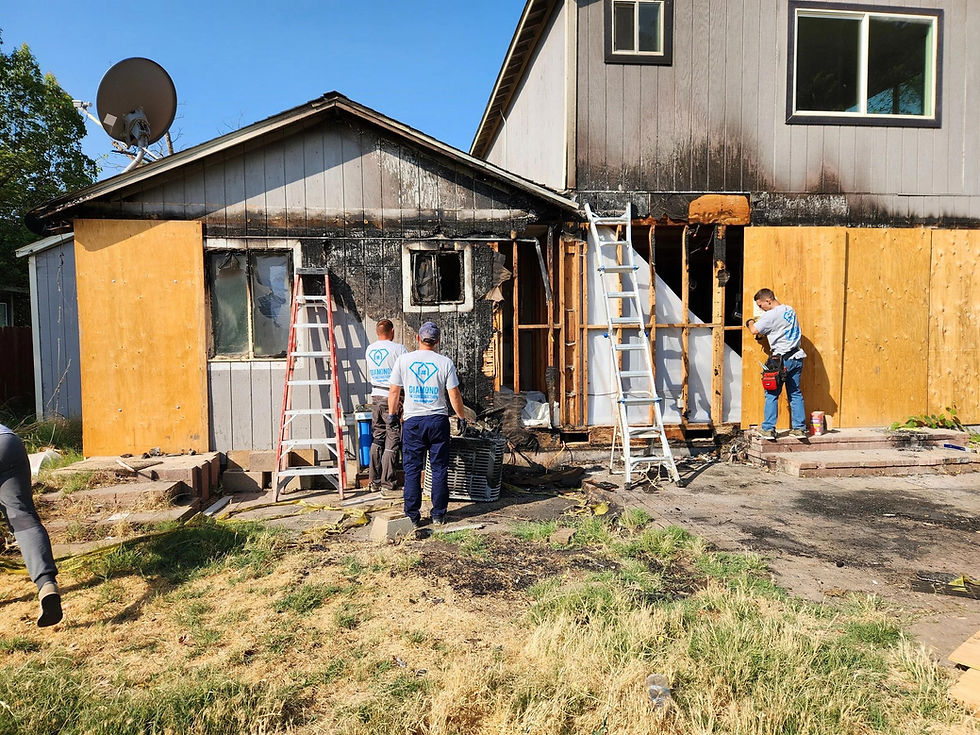
When your home is uninhabitable after fire damage, the first days can involve much more than finding somewhere else to sleep. Once emergency officials have addressed immediate safety concerns, homeowners may need to determine whether they're permitted to enter the property, secure the premises, contact their insurance carrier, document damaged belongings, obtain important medications or documents when access is permitted, and begin understanding what repairs will be required. Avoid entering a fire-damaged structure until the appropriate authorities say it is safe to do so, because structural damage, electrical hazards and other dangers may remain even when the flames are gone. Start a dedicated file for the incident and keep photographs, claim information, adjuster communications, contractor information and receipts together. Keeping a written timeline of conversations and decisions can also be valuable because recovering from a major fire can involve many different companies and contacts.
What to Do When Your Home Is Uninhabitable After a Fire
If your house is uninhabitable after a fire, contact your insurance company as soon as reasonably possible and ask very specific questions about the next stage of the claim. Rather than assuming every expense will automatically be reimbursed, ask whether your policy includes Additional Living Expense (ALE) or similar loss-of-use coverage, what expenses qualify, whether there are dollar or time limits, what documentation is required, and whether certain expenses need approval beforehand. The Insurance Information Institute explains that ALE coverage can help with the additional costs of living away from home after an insured disaster, subject to the policy's terms and limits. Keep receipts for eligible displacement-related expenses and ask your insurer how they want those records submitted. Your own policy and insurer determine the actual coverage available, so use the policy—not general internet advice—as the final source for what your claim pays.
What If You Can't Return Home for Several Months?
A major fire can create an uncertain timeline because making the property structurally safe, assessing damage, obtaining permits, ordering materials, completing reconstruction and passing inspections may take longer than the homeowner initially expects. If you're displaced after a house fire, ask the restoration team or contractor for written timeline updates and communicate changes to your insurance representative rather than relying on the original completion estimate. Also think ahead about practical issues that can easily be overlooked during a long displacement: mail delivery, children's routines, pet arrangements, prescription access, transportation, stored belongings and how you'll receive updates about the damaged property. If your return date is uncertain, avoid making assumptions about how long you'll need another residence. A housing arrangement that works for the first few nights may not necessarily be practical if the displacement extends for weeks or months.
If you discover that you can't live in your house after a fire and need accommodations beyond the immediate emergency period, The Blue Haven Group can help search for housing based on the circumstances of your displacement. Provide the number of people in your household, pets, approximate housing timeframe, required area, bedroom needs, accessibility considerations and any requirements supplied by the party coordinating payment. If an insurance company or adjuster is involved, confirm their approval process and applicable limits before committing to accommodations. Blue Haven can then use the placement requirements to help identify potential housing options while you focus on the larger recovery process and eventual return home.



Comments