Where to Live While Your House Is Being Renovated
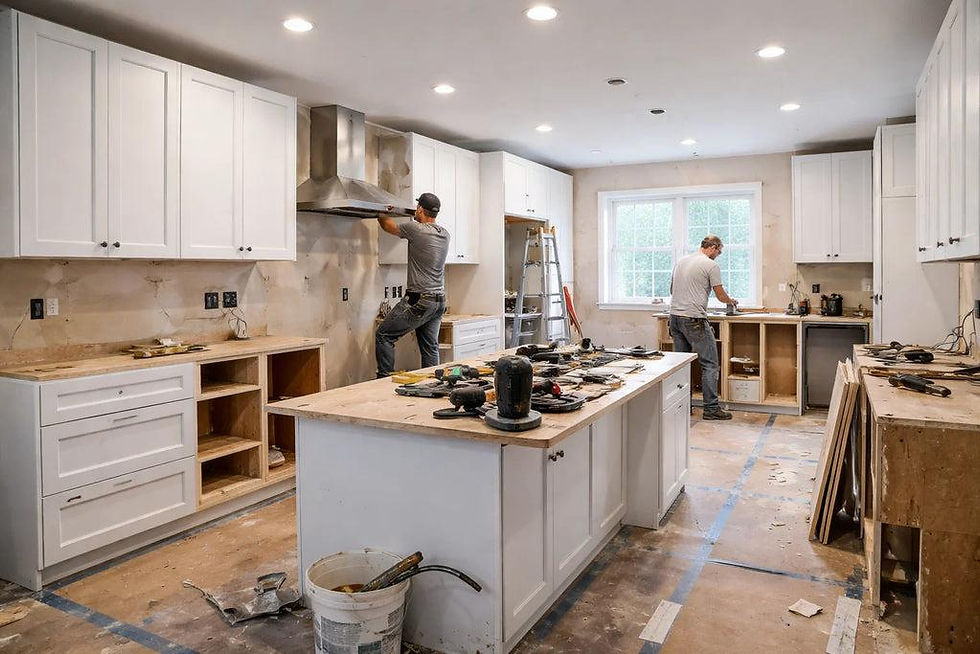
Deciding where to live while your house is being renovated should begin with the part of your home that will actually be unusable—not simply the contractor's estimated project length. A cosmetic project affecting one room may allow you to remain home, while a remodel involving plumbing shutdowns, electrical work, flooring throughout the house, major demolition, lead or asbestos remediation, or loss of the kitchen and bathrooms can make everyday living impractical. Before deciding to move out, ask your contractor to identify the phases that will create the most disruption and whether you'll have reliable access to water, electricity, bathrooms, cooking facilities, entrances and sleeping areas throughout the project. You may discover that you only need alternative accommodations during certain construction phases rather than for the entire renovation, potentially reducing the cost and inconvenience of moving elsewhere.
Where to Live While Your House Is Being Renovated for Several Weeks or Months
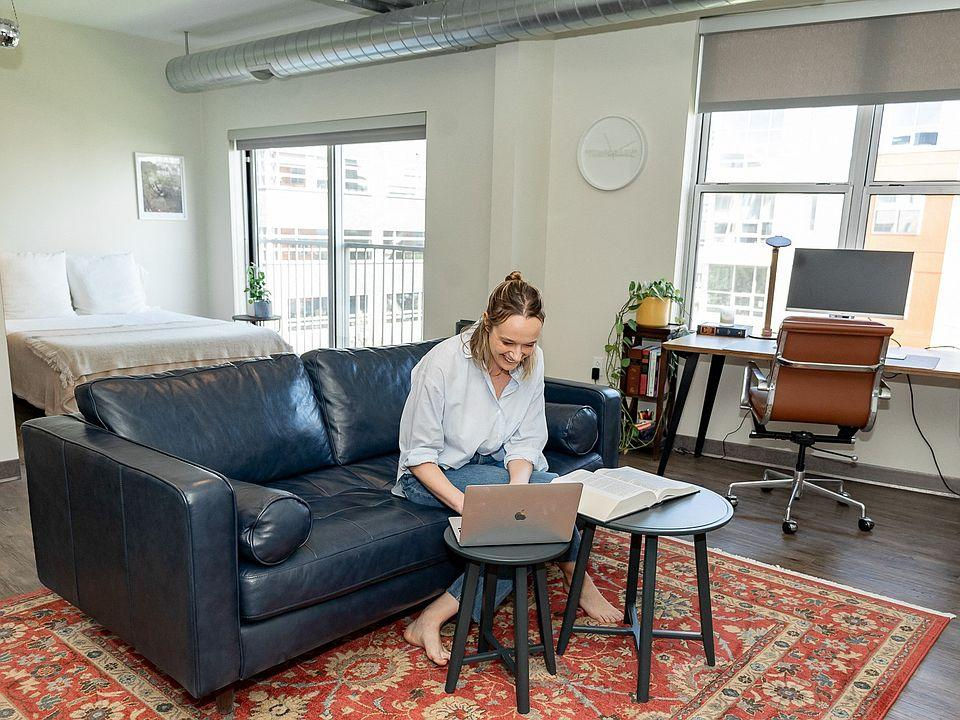
If you're trying to determine where to stay during a home renovation, choose your location according to what you still need access to while construction is underway. Homeowners who need to meet contractors, approve materials, check progress or collect mail may prefer to remain relatively close to their property, while families may place greater importance on staying near school, childcare and existing routines. Remote workers should consider whether the alternative residence has an environment suitable for video calls and uninterrupted work, and pet owners should account for animals that may not cope well with construction noise or unfamiliar accommodations. Instead of searching for the closest available place, create a temporary-living radius around the locations you cannot easily change during the remodel—your children's school, workplace, renovation site, medical appointments and other regular commitments.
Planning Temporary Living During a Home Remodel
One overlooked part of housing during home renovation is deciding what happens to your belongings while you're away. Contractors may need furniture removed from work areas, and dust can migrate well beyond the room being renovated. Before leaving, determine what should remain in the house, what needs protective covering, what should go into storage and what you'll actually need at your temporary residence. Pack as though you're creating a smaller second household rather than going on vacation: bring the clothing, work equipment, children's necessities, pet supplies and personal items you'll use regularly, but avoid moving everything twice unnecessarily. Also establish how you'll handle package deliveries, mail, contractor access, security systems and emergency decisions while you're away. A simple written plan for these details can make an extended remodel considerably easier to manage.
If your renovation requires you to live somewhere else during the remodel, build your housing request around the construction schedule rather than guessing at a departure date. Ask your contractor for an estimated date when the property should become reasonably habitable again and leave room for potential schedule changes caused by inspections, materials or additional work discovered after demolition. The Blue Haven Group can help homeowners search for accommodations based on the renovation location, household size, pets, desired proximity to the property and estimated construction timeline. Submit your requirements through our housing request form, and we can use those details to help identify potential accommodations while your home is being remodeled.


Comments